The role of technology in daily healthcare operations
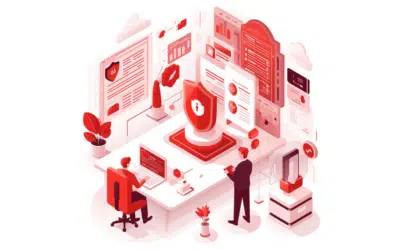
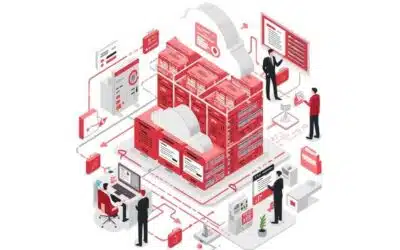
Technology supports nearly every aspect of healthcare operations. Clinical staff rely on uninterrupted access to patient data, diagnostic systems, and care coordination tools, while administrative teams depend on scheduling platforms, billing systems, and secure communications.
As healthcare environments become more digital and interconnected, managing technology internally becomes increasingly complex. A managed IT service provider with healthcare expertise helps keep systems secure, available, and aligned with regulatory requirements
The risks of unreliable IT in healthcare environments
When IT systems are unreliable in healthcare settings, the risks extend beyond inconvenience and can directly impact patient safety and compliance.
- Short periods of system downtime can interrupt access to patient records, diagnostic tools, and critical clinical systems.
- Delayed or unavailable data can influence care decisions and put patient safety at risk.
- Security gaps increase the risk of data breaches and HIPAA compliance violations.
- Unexpected outages disrupt clinical and administrative workflows, creating inefficiencies and staff frustration.
- A healthcare-focused MSP helps minimize these risks through proactive monitoring, ongoing maintenance, and reliable infrastructure management.
How managed IT support helps healthcare organizations operate securely
Managed IT services for healthcare organizations go beyond basic technical support. They provide ongoing oversight, strategic guidance, and security-first management of critical systems.
Proactive monitoring and system management
With managed IT service support for healthcare organisations, systems are monitored around the clock to identify issues before they escalate. Regular updates, patching, and performance optimization help maintain stability and reduce unexpected disruptions across clinical and administrative systems.
Strengthening security and protecting patient data
Healthcare organizations are frequent targets for cyberattacks due to the sensitivity of patient data. Security must be built into every layer of the IT environment.
- Advanced security controls help block cyber threats before they affect healthcare operations.
- Ongoing staff training and clear policies reduce human error and strengthen data protection.
Simplifying HIPAA compliance with managed IT support
Meeting HIPAA requirements is not a one-time project; it is a continuous discipline that combines technology, documented policies and procedures, and ongoing oversight. A HIPAA-compliant managed service provider helps healthcare organizations stay compliant with the HIPAA Security Rule by implementing the administrative, physical, and technical safeguards required to protect electronic protected health information (ePHI). That work starts with regular risk assessments to identify where PHI lives, how it moves, and which systems present the greatest exposure.
From there, layered security measures, including encryption of data at rest and in transit, granular access control, multi-factor authentication, managed firewalls, and intrusion detection systems work together to safeguard patient information against data breaches and other cyber threats.
Vulnerability management addresses weaknesses before they become incidents, while continuous monitoring and a documented incident response plan ensure that any suspected breach is contained quickly and reported per HIPAA requirements. Because the MSP itself handles PHI on behalf of the practice, it operates under a business associate agreement, which formalizes the relationship and aligns both parties on compliance requirements, audit readiness, and data security obligations. Working with HIPAA-compliant cybersecurity solutions and paired backup and disaster recovery is what allows healthcare organizations to maintain HIPAA compliance year-round, not just at audit time.
Supporting EHR performance and clinical workflows
Electronic health record systems must be fast, reliable, and secure to support patient care effectively. Clinical teams depend on uninterrupted access to patient information to make timely and informed decisions.
Managed infrastructure, cloud services, and ongoing system optimization help ensure EHR platforms remain responsive and available as demand increases. Healthcare managed IT services also include secure data backup and disaster recovery planning, allowing organizations to restore systems quickly after outages or cyber incidents and maintain continuity of care with minimal disruption.
Why a Healthcare-Specialized IT Partner Matters
Not all IT providers understand the unique demands of healthcare. A specialized healthcare managed IT service provider brings experience with clinical workflows, regulatory requirements, and security-focused environments. Organizations benefit from working with a partner that prioritizes system availability, data protection, and compliance while aligning IT strategies with long-term healthcare goals.
Managed IT Support That Protects Patient Care
Healthcare organizations looking for a partner who understands both the clinical environment and the regulatory weight of HIPAA can benefit from working with Axxys Technologies. The Axxys approach combines HIPAA-compliant managed IT services with secure managed IT, continuous monitoring, and disaster recovery planning designed around the realities of patient care.
For practices with an existing IT team, co-managed IT services extend that HIPAA expertise without replacing internal staff, ensuring that audit readiness, business associate obligations, and ongoing security and compliance work are handled by a managed service provider that lives in those requirements every day. The result is fewer surprises, stronger data security, and the peace of mind that healthcare providers need to stay compliant with HIPAA regulations while focusing on what actually matters: their patients.
Frequently Asked Questions
What are healthcare managed IT services, and why are they important?
Healthcare managed IT services provide ongoing monitoring, security, compliance support, and system management. They are important because they help prevent downtime, protect patient data, and support regulatory compliance.
What is an MSP in healthcare?
An MSP in healthcare is a managed service provider that specializes in supporting healthcare IT environments, including EHR systems, cybersecurity, and HIPAA compliance.
Why do healthcare organizations need specialized IT support services?
Healthcare organizations handle sensitive data and rely on continuous system access. Specialized IT support ensures systems are secure, compliant, and available when patient care depends on them.
What should healthcare companies look for in managed IT services?
Healthcare companies should look for experience in healthcare environments, HIPAA-compliant IT services, proactive monitoring, strong cybersecurity practices, and reliable support.
What is HIPAA compliance, and why does it matter for healthcare IT?
HIPAA compliance protects patient health information and ensures healthcare organizations meet federal data protection standards. It matters because non-compliance can lead to data breaches, fines, and loss of trust.