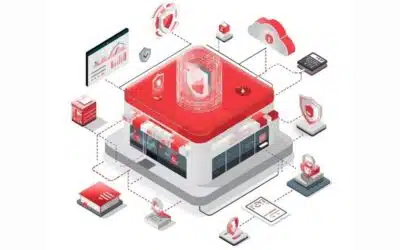
Cybersecurity in 2026 requires organizations to adopt modern cybersecurity best practices that strengthen their overall security posture against evolving cyber threats. With the rise of AI and advanced threat actors, many organizations are expanding security measures such as access control, authentication, and endpoint protection to defend sensitive data and information across devices and cloud platforms. Strong data protection strategies, effective security policies, and proactive risk management help reduce the chance of a breach or data breach, while improving compliance and overall posture.
The risk is not just technical. It’s financial, legal, and reputational. Companies face ransomware attacks, data theft, and increasing compliance requirements. Many of these risks are preventable with the right approach, but that requires more than a firewall or anti-virus subscription. Leaders need a clear understanding of where the threats are coming from, what attackers are targeting, and how their business may be exposed.
Whether or not your company works with a managed IT provider, knowing what to expect in 2026 helps you prepare your people, systems, and policies. This post examines the threat landscape ahead and outlines practical ways to improve your cybersecurity readiness.
Understand how cybersecurity threats are evolving in 2026
Cyber attackers continue to shift their tactics in ways that outpace traditional security tools. Businesses that rely on outdated defenses or assume they are too small to be a target are particularly vulnerable. In 2026, every business, regardless of size, needs a more current view of how attackers operate.
Smarter, faster attacks
Ransomware groups and cybercriminals are using automation and artificial intelligence to scale attacks. Phishing emails are more convincing. Malware can move laterally through networks faster than before. Attackers no longer need to spend weeks planning—they use tools that scan for vulnerabilities and exploit them within hours.
Unpatched systems, weak passwords, and unsecured remote access are common entry points. Conducting regular internal audits and system reviews is critical. Even companies with basic controls in place should reassess their configurations and access policies.
Growing compliance pressure
Businesses in healthcare, finance, and other regulated industries should expect updates to HIPAA, PCI-DSS, and data privacy rules. The cost of non-compliance is increasing, both in fines and operational disruption. Companies need to review their current compliance obligations and update policies, documentation, and technical safeguards as regulations change.
Staying ahead of compliance is less expensive than reacting to an audit failure. A proactive schedule for reviewing regulatory changes helps teams avoid rushed implementations or overlooked requirements.
Best practice: Invest in people and company processes
Technology is only one part of the cybersecurity equation. Many breaches still begin with human error. Businesses should view cybersecurity as an organization-wide responsibility, not just an IT function.
Train employees with relevant examples
Most employees are not cybersecurity experts, but they are often the first line of defense. Phishing attacks and social engineering rely on distraction and urgency. Regular training should go beyond generic videos and focus on practical examples related to the business and industry.
Keep training short, consistent, and outcome-focused. Include examples of recent threats and test awareness with simulated phishing or basic quizzes. Training should also cover how to report suspicious activity quickly.
Prepare for incident response
Even with strong defenses, incidents may still occur. Every organization should have a clear, written incident response plan. The plan should define who makes decisions, how communication flows, and what steps to take if systems are compromised.
Testing the plan with tabletop exercises helps uncover weak points. These practice runs also reduce confusion and stress when real issues arise. Smaller organizations may only need a basic plan, but it still needs to be documented, accessible, and understood by leadership.
Reassess your cybersecurity infrastructure and features
Security tools need to keep up with how your team works and where your data lives. In 2026, many environments will include remote employees, cloud platforms, and mobile devices. Protection must extend beyond the office network.
Modern endpoint and network security
Antivirus software is no longer enough. Businesses need tools that can detect and respond to unusual behavior across endpoints and networks. This includes features like threat detection, multifactor authentication, and logging of user activity.
Choosing tools that integrate well and can be centrally managed will reduce gaps and support better oversight. Whether managed in-house or with support, the goal is unified visibility and fast response.
Continuous vulnerability management
Software updates, misconfigurations, and new applications all introduce potential vulnerabilities. A one-time security assessment will miss the changes that happen every month. Businesses need a way to regularly scan their systems and apply updates or configuration fixes before they are exploited.
Establishing a monthly or quarterly vulnerability review process, even a basic one, adds a strong layer of defense. Tracking what changes in your environment allows your protections to evolve with your business.
Security practices for your cloud environment and remote work
The cloud offers flexibility, but it also shifts responsibility. Providers protect their infrastructure, but companies are still responsible for how they configure and use the services. Many incidents stem from misconfigured cloud storage or weak access controls.
Revisit your cloud configurations
Make sure administrative access is restricted, sensitive data is encrypted, and backups are functional. Audit user permissions to prevent excessive access. Cloud platforms often provide security tools. Make sure they’re enabled and monitored.
Use checklists and security benchmarks from trusted sources like the Center for Internet Security (CIS) to guide reviews. Third-party assessments can also help validate your setup.
Support your hybrid workforce
Remote and hybrid teams are here to stay. Laptops, mobile devices, and home networks introduce new risks. Companies need clear policies on device use, secure remote access, and what support employees can expect.
This includes requirements for VPN use, password policies, and mobile device management. Small gaps in these areas often lead to larger vulnerabilities.
Make security part of your IT company’s strategic planning
Implementing threat detection, detection and response, and real-time monitoring, often enhanced with automation and modern AI systems, helps identify vulnerabilities and respond quickly to incidents. Organizations should also review third-party access, address human error, and follow proven security practices to prevent exposure of critical data. By adopting modern cybersecurity, strengthening incident response, and prioritizing cyber resilience, businesses can protect their infrastructure, maintain customer trust, and continue to maintain customer trust while navigating the rapidly evolving threat landscape in 2026.
Even modest improvements, if applied consistently, can reduce risk significantly. Whether you handle security internally or work with a partner, the key is to start now. Build your roadmap based on risk, business goals, and available resources.
If your team is looking for support to develop a focused cybersecurity strategy for 2026, Axxys can help. Schedule a consultation to review your current security posture and identify the right next steps for your organization.